
Are you subject to New York City Local Law 97?
If you manage or own a building in NYC, you just might be.
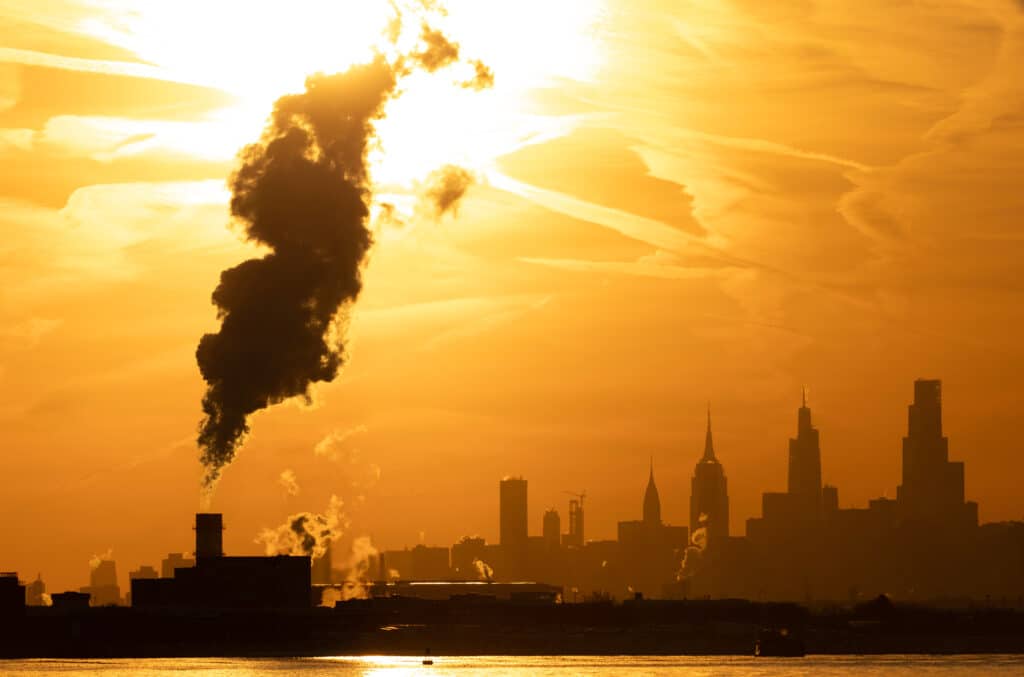
Local Law 97 (LL97) of 2019 is the latest law in New York City’s ambitious plan for reducing greenhouse gas emissions. 70% of NYC greenhouse gases come from buildings.
Let’s breakdown LL97:
- The goal: an initial 40% reduction in building emissions by 2030 and 80% by 2050.
- Got a big building? You gotta report. Buildings over 25,000 gross sq ft, or if you have two or more buildings totalling over 50,000 sq ft on the same tax lot, then you have to report annually beginning on May 1, 2025. About 50,000 buildings in NYC are affected.
- Late? There are fines. Exceeding your emissions limits will cost you $268 per extra ton of CO2. Fail to report? That’s $0.50 per square foot of your building.
- “Good Faith” option. The city knows retrofitting isn’t easy, so there’s a “Good Faith” pathway if you can demonstrate genuine effort. But you still have to submit those reports.
A core component of compliance with LL97 will be the integrity of your Building Envelope. Which turns the question to how air leakage contributes to your carbon emissions?
Reduce Air Leaks with Rubber Doors
Whenever you are heating or cooling a space, air leaks increase your energy costs and your CO2 emissions as your HVAC works harder to maintain desired temperatures. In assessing the integrity of your building’s envelope, overhead doors should be the first place you look to make gains.
For a conventional Sectional overhead door, the door track and hardware require frequent adjustment to maintain close contact between the body of the door and the edges of the opening. In addition, door open/close rates further determine air exchange volumes.
A worthwhile consideration in light of LL97 are Rubber Door systems. At first glance a ¼” thick rubber curtain would seem a poor choice for its R-value; however, the unique sealing qualities of the physical material in its guides provide greatly offsetting energy savings (ie, U-factor). In addition, rubber door have faster door cycles times. In almost all instances, rubber doors outperform sectional and rolling steel doors in energy efficiency. (They are 9X less expensive to maintain.)
Get Prepared with an Energy Audit
Doors Matter! In your LL97 compliance planning, look to your building access points. Lots of energy goes right out your doors. Allmark Door can help build your strategy here.
Using both thermal imaging and our proprietary Allmark Door Energy Audit calculator, we can both estimate the performance of your current doors and estimate the savings you can realize via upgrades. We would be happy to assist you. Contact us today to learn more.